The work
I help people move forward when they're stuck.
The design, the planning, the communication: those are just how I do it.
The work
The design, the planning, the communication: those are just how I do it.
Where I do my best work
They call when something isn't moving. When the meetings keep happening but nothing gets decided. When the message isn't landing and nobody can agree on why. When the work is good but the people doing it are pulling in different directions.
That moment, stuck and unclear and a little frustrated, is exactly where I do my best work.
I've spent twenty years walking into those situations. Corporate teams at Fortune 100 companies. Small businesses trying to find their voice. Faith communities that care deeply but can't quite communicate it. Nonprofits doing meaningful work that nobody outside the building seems to understand.
The problems look different. The feeling is the same. It's the moment something needs to move and isn't.
The toolkit
Twenty years of practice. A UX certification and a Master UX certification from the Nielsen Norman Group, the most respected credentialing body in the field. Deep, working fluency in human-centered design, user research and synthesis, workshop facilitation, design systems, Figma, information architecture, agile methods, mentorship, team leadership, and the integration of AI into the design process.
If you want to go twelve rounds on methodology, I'm ready.
But here's what I've learned after two decades of doing this work at the highest level:
The tools are not the point.
Figma doesn't get teams unstuck. Research decks don't move organizations forward. Certifications don't build trust across a room full of people who can't agree on the problem.
People do that. The right person, in the right room, asking the right questions. That's what changes things.
These tools are just tools. The goal is getting unstuck, moving forward, solving the problem, making progress, working together. Not more tool usage.

How I can help
Not a proposal. Not a pitch. Here's what that conversation might turn into.
Discovery
Finding the Real Problem
Something in your organization isn't moving, and you're not sure why. I come in, ask the right questions, and help you see clearly what's stuck and what it will take to get unstuck. You leave with a practical path forward.
Every engagement starts with a free 30-minute conversation. No pitch, no pressure.
Start a conversationUX & Experience
Untangling the Experience
When people interact with your organization and leave more confused than when they arrived, they stop trusting you, or stop coming back. Twenty years of enterprise UX thinking, applied to organizations of any size.
Scoped to your situation. Let's talk before we talk numbers.
Start a conversationWorkshops & Facilitation
Getting the Room Aligned
The meeting keeps happening but nothing gets decided. Your room has all the right people and none of the right movement. Facilitated sessions for teams, boards, and community organizations. We work through what's unclear and what needs to change to move forward.
Half day or full day. Priced after we understand what you need.
Start a conversationOngoing Support
Someone to Call
Some problems don't arrive as projects. They keep coming up in meetings, in messaging, in the content that never quite gets finished. Monthly support for organizations that need a steady thinking partner and a consistent voice: strategy, communications, posts, scripts, and presentations done regularly, in your voice, without starting from scratch every time.
Monthly support, sized to what actually makes sense for your organization.
Start a conversationWho I work with
Many worlds. Different chairs. One table.
From Fortune 500 teams to family-owned businesses and local nonprofits, I help organizations explain what makes them valuable so people understand it, trust it, and respond.
I'm not here to tell you what your answer should be. I'm here to help you find it.
Remote-friendly. Available nationally.
Work at the Table
Every engagement starts the same way: with questions, not answers. What follows is what happened when organizations trusted that process.
Enterprise UX · Cross-Functional Leadership
Most communication problems aren't technical. They're human.
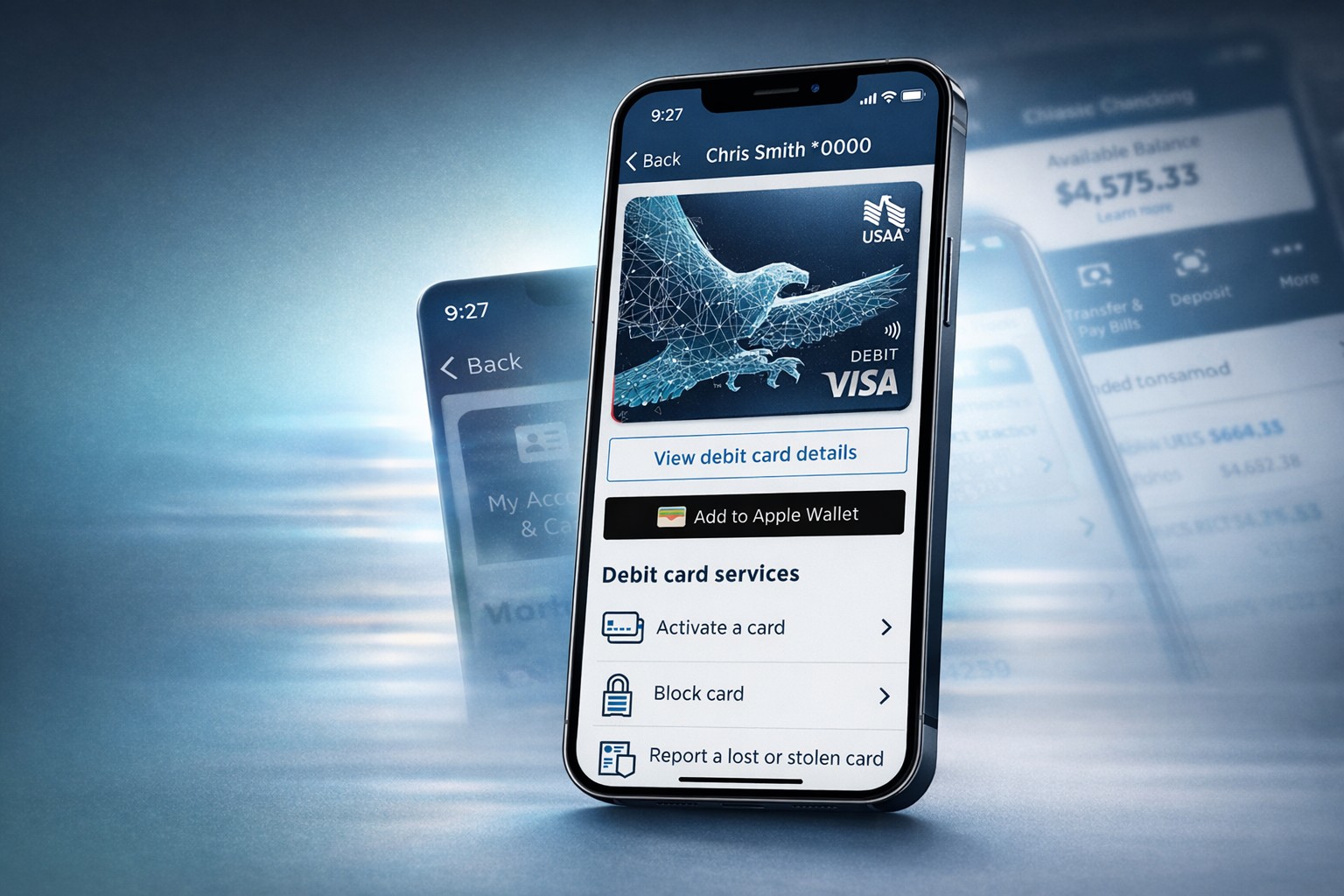
At USAA, a Fortune 100 financial services company serving military families, eight design teams were each solving the same problem in eight different ways. The result was an account experience that felt inconsistent and confusing to the people who depended on it most. Support calls were rising. Trust was eroding. Nobody had made a wrong decision. They had simply stopped speaking the same language.
My job was to bring them to the same table.
Over 18 months, I facilitated workshops across all four product lines, coordinated with legal, product, and digital stakeholders, and helped establish shared standards everyone could actually use. Not by telling anyone they were wrong, but by asking questions until a shared answer emerged.
When the redesigned experience launched, member satisfaction reached the highest score in company history. Support calls dropped. The organization saved nearly $1.5 million in the first year.
The tools were enterprise-grade. But the work was human.
Design Systems · Trust & Clarity
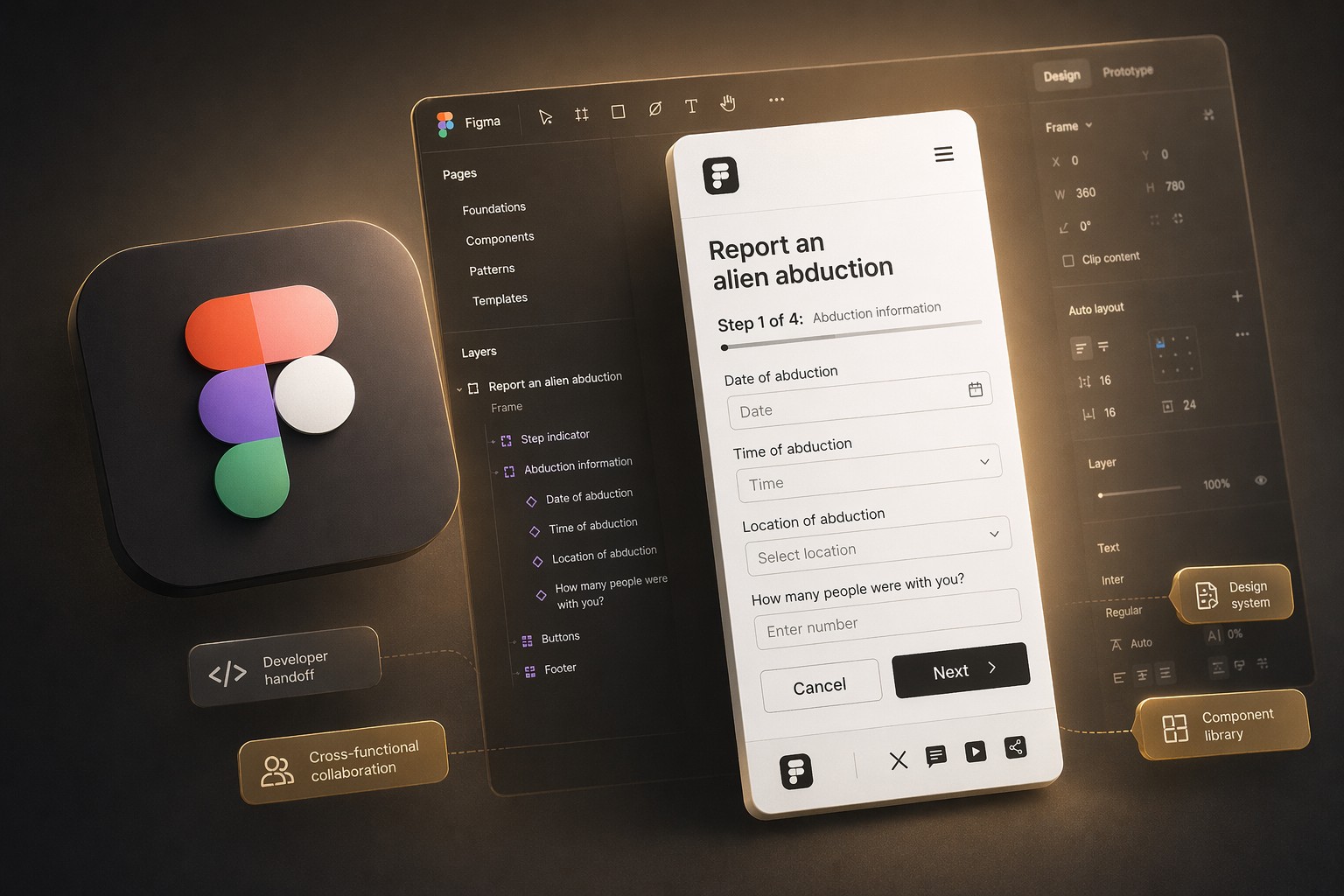
There's a moment, you've probably felt it, when you look at a statement or a report or a newsletter and you can't quite tell what it's saying. Not because you're not smart. Because the information wasn't organized for you.
That feeling has a cost.
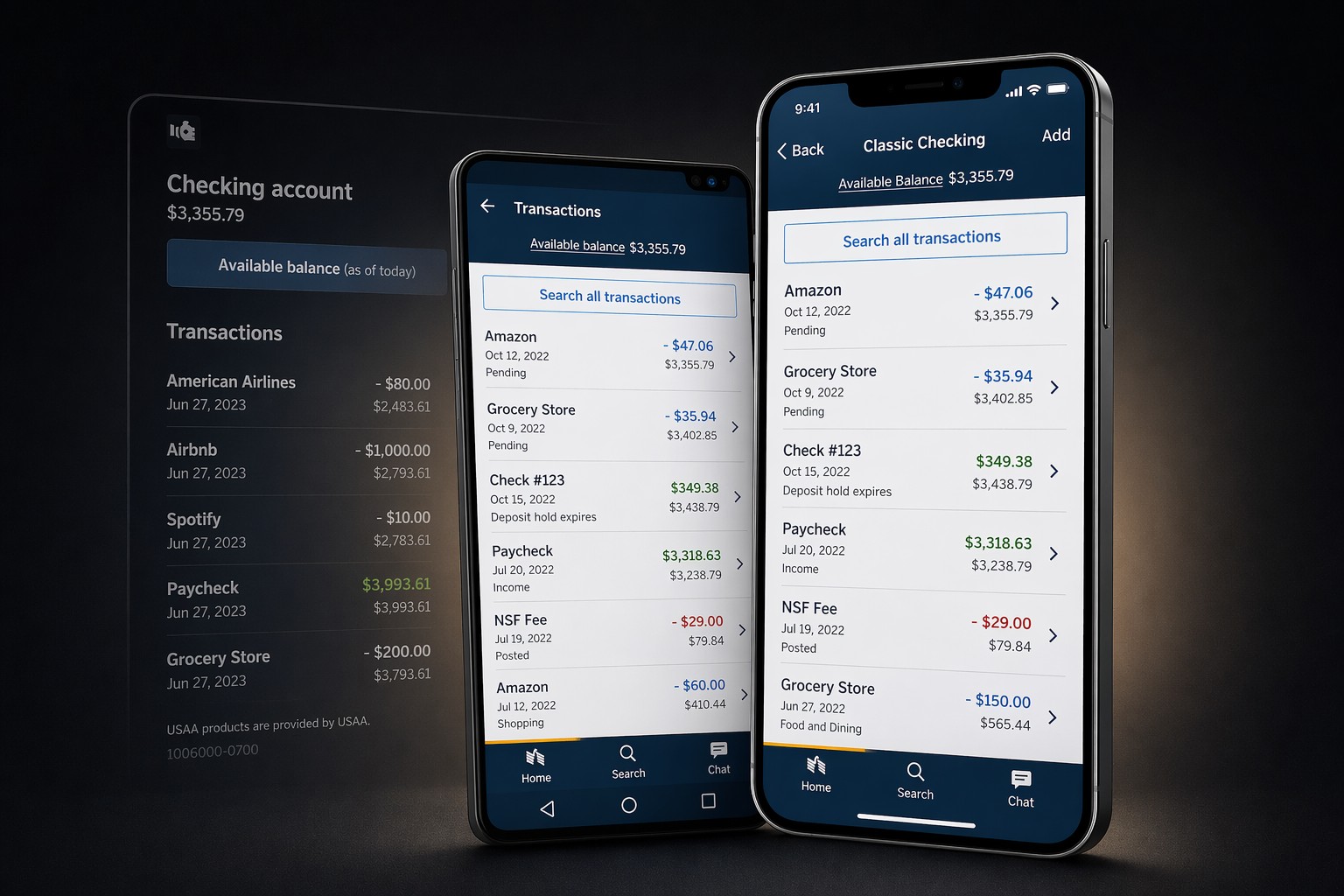
At USAA, millions of members were opening their banking app and experiencing exactly that. Money coming in, money going out, fees being charged: All displayed inconsistently across products, platforms, and screens. Members were confused enough to call for help in large numbers, and trust in the digital experience was quietly eroding.
My job was to make it glanceable.
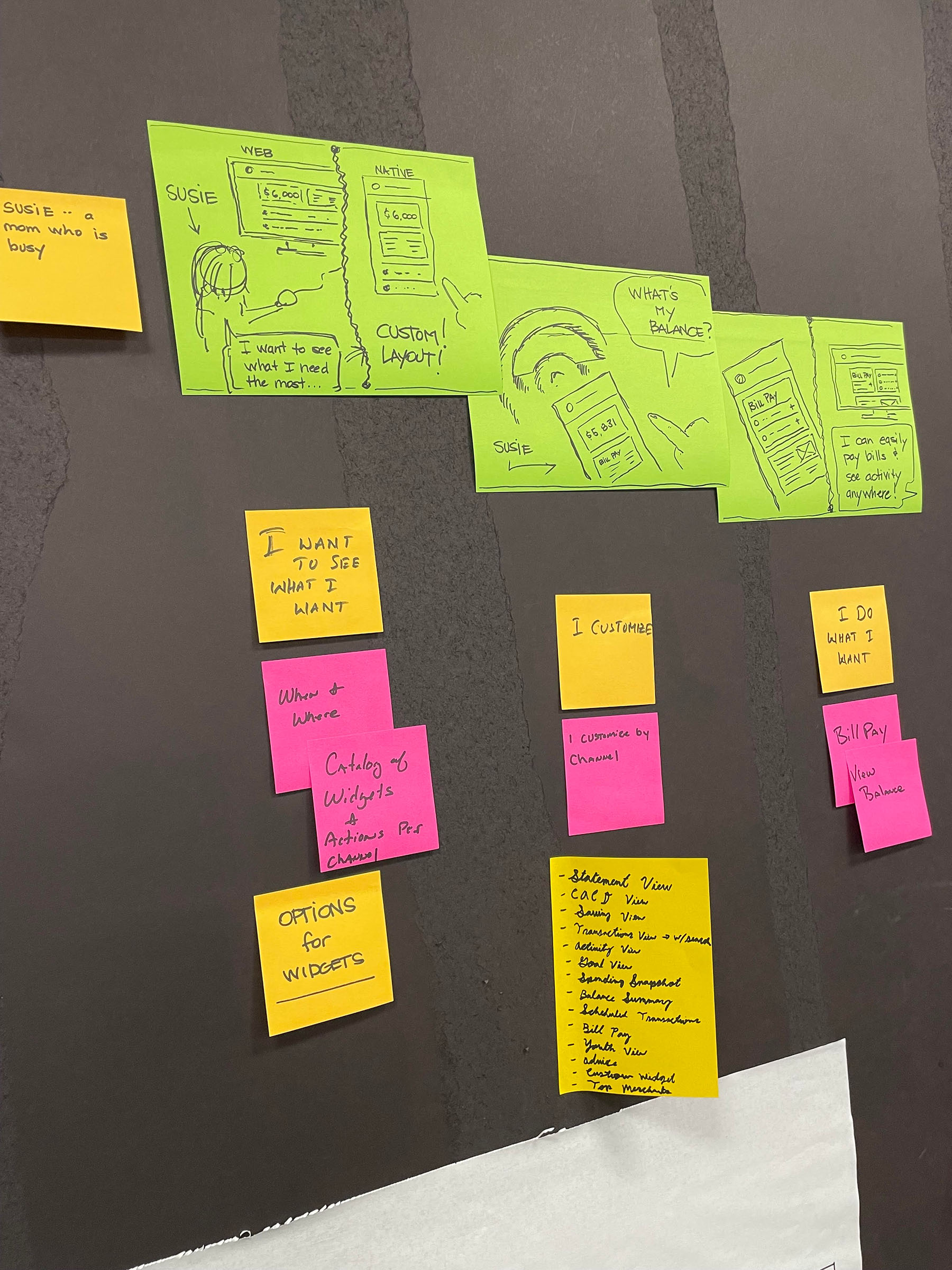
Over nine months, I coordinated research across eight design teams, ran 24 practitioners through ideation workshops, conducted nine rounds of user testing, and partnered with accessibility specialists. We established shared standards for how money moves.
When it launched, member satisfaction reached the highest score in company history. The organization saved $1.4 million annually.
One glance and it tells you what's going on. When people can read what you're telling them, they trust you more.
Systems Design · Organizational Clarity
Every organization has unwritten rules. The way things are done. The tools people use. The rhythms of the week. The expectations nobody says out loud, until someone new arrives and gets them wrong.
That's not a people problem. That's a systems problem.
At USAA, eight design teams and dozens of designers were operating without a shared foundation. New designers arrived and had to figure out the tools, the files, the meetings, the expectations: Mostly on their own.
Over three years, I built the system that should have existed from the beginning. A centralized toolkit. A clear onboarding project. File structures developers could actually use. Team rhythms written down so new people could find their footing in days instead of months.
The result: new designers contributing at full capacity in weeks instead of months. Fewer repeated conversations. Stronger trust between teams.
"Bill doesn't just lead. He creates lasting impact while empowering teams to do their best work."

Brand Identity · Small Business
He'd spent years helping other people find their next opportunity. Now he was building something of his own, Elite Pool Care, and he wanted it to feel like him. Not generic. Not forgettable. Not what an algorithm would produce.
He'd already tried that. It didn't work.
I didn't open a design tool. Not yet. I asked questions. What does elite mean to you? What should a customer feel when they see this for the first time? What did the AI concepts get wrong?
He answered every question. And in those answers, the logo was already there. I just had to find it.
A week later I came back with four concepts. He loved them. From that choice I built the full identity package: color, black and white, horizontal and vertical. Everything a new business needs to show up consistently from day one.
That's what listening produces. Not a logo that looks like a pool company. A logo that looks like him.
Faith Community · Communications & Clarity Audit
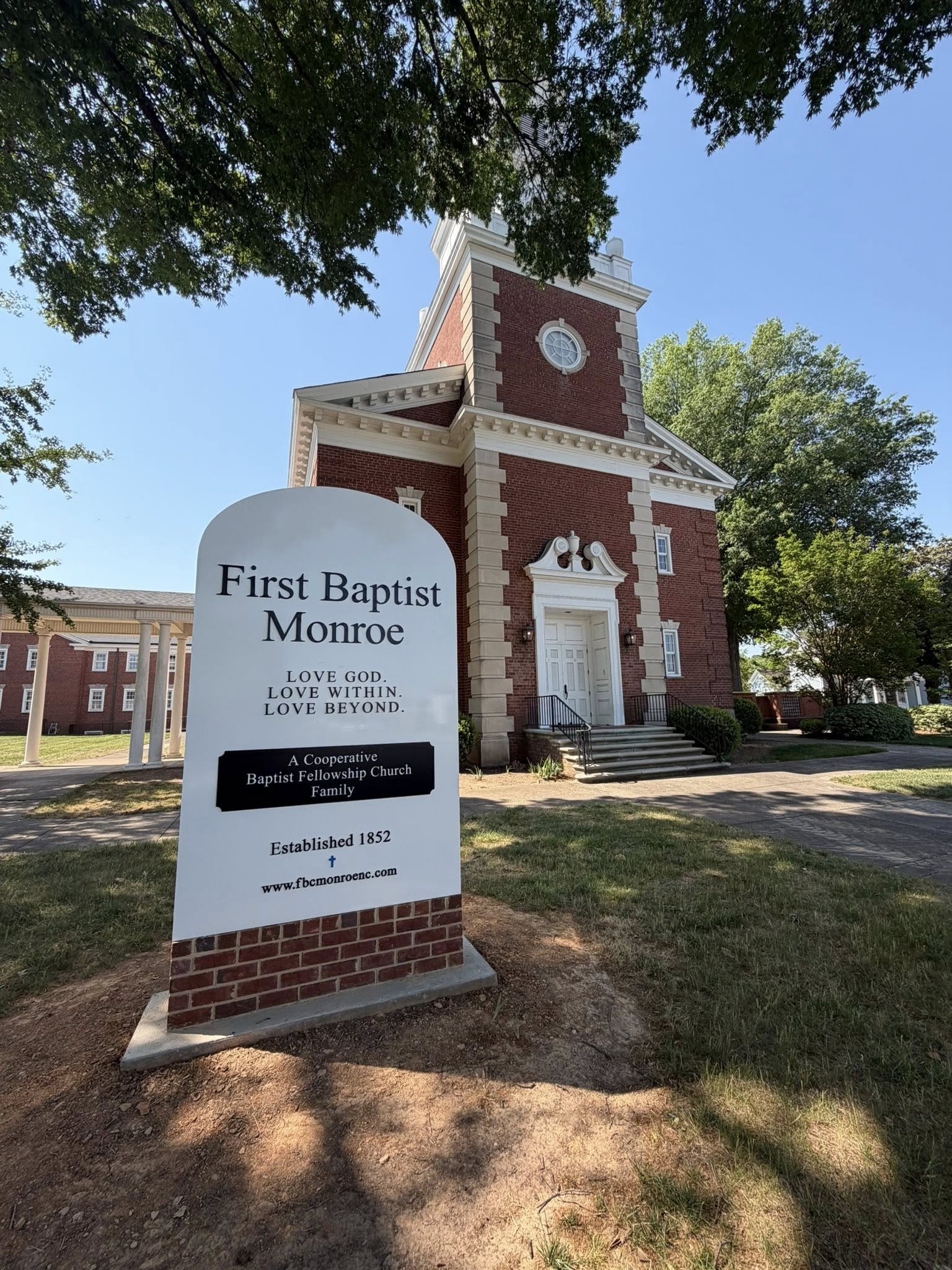
First Baptist Church of Monroe, NC knew their communications felt scattered. They were spending money across print, email, website, and social, but couldn't tell what was actually reaching people.
We conducted a full communications audit: stakeholder interviews, website review, newsletter analysis, and onboarding assessment. The findings identified specific friction points and a prioritized roadmap for improvement, including projected cost savings and engagement opportunities.
Case study in progress · Engagement completed Spring 2026
Get in touch
Have a question before booking? Send a note. I read every message.
Send a note